Why we invested in sustainable natural resource livelihoods: Strengthening rural food systems and local economies
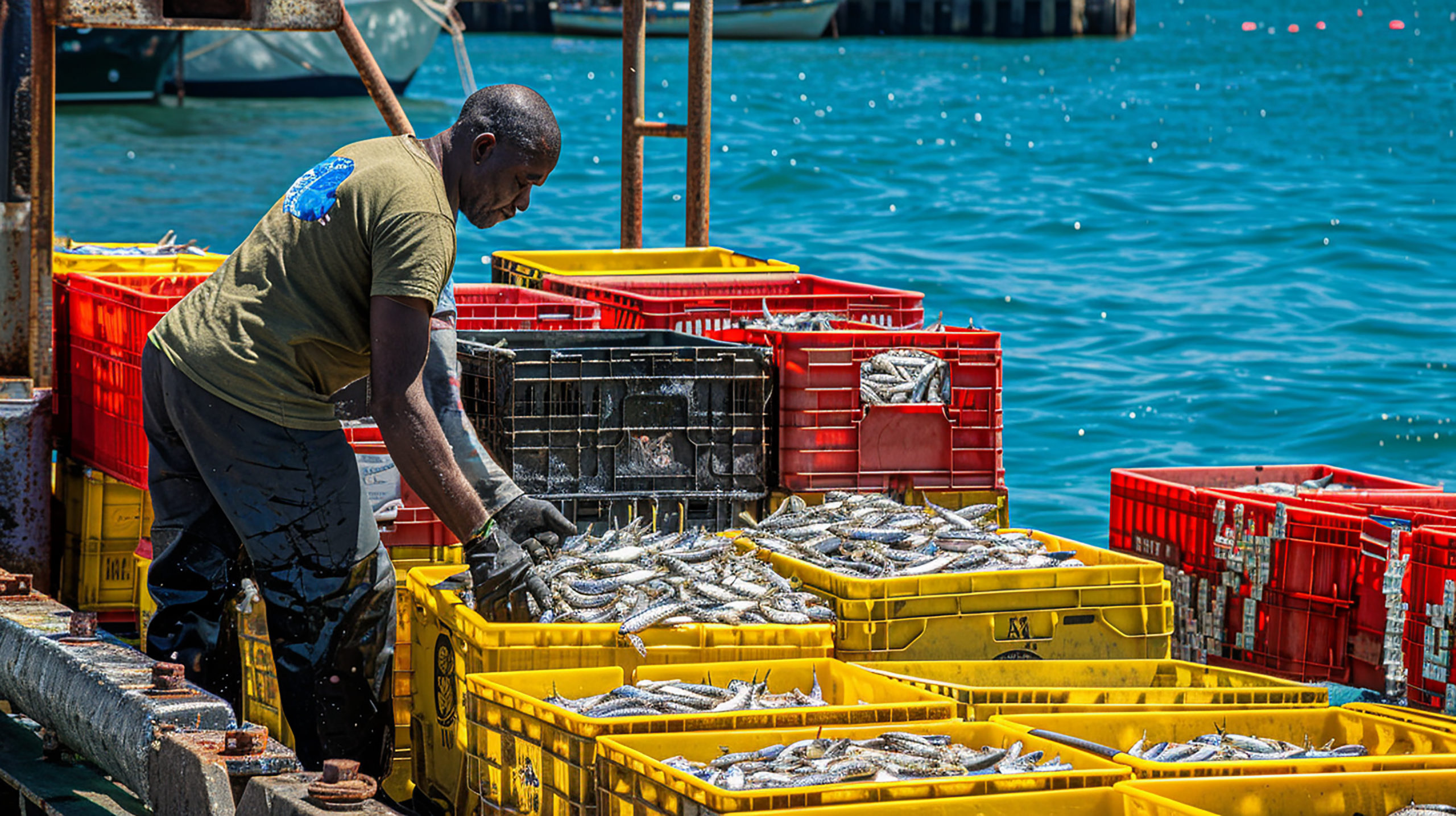
Natural resources underpin rural livelihoods across Africa. Smallholder farmers, fishers, and traders drive local food markets and supply chains, yet these communities are increasingly exposed to climate stress, declining biodiversity, and inefficient market structures. In Zambia, fish is the most affordable and widely consumed source of animal protein, yet the country faces a supply deficit of over 80,000 metric tons annually, pushing up prices and limiting access for low-income households.
Meanwhile, 75% of the world’s food crops rely on animal pollination, with bees forming the backbone of this system. Declining bee populations therefore directly threaten yields and rural incomes, including in Kenya, where crops such as coffee, avocado, and macadamia depend heavily on pollinators.
These pressures do not just threaten ecosystems; they also reduce income and resilience for the microenterprises that keep food systems running. When natural resource systems are weakened, livelihoods become more fragile. But when these systems are restored and productively managed, incomes can grow, food security can be strengthened, and ecosystems regenerate.
This is why ClimaFii Alliance invested in Sustainable Natural Resource Livelihoods solutions that link climate resilience with microenterprise productivity. Our investment in Lake Farms in Zambia and Pollen Patrollers in Kenya are examples of how restoring nature can create new economic opportunities across rural markets.
Strengthening food security through regenerative aquaculture – Lake Farms
In Zambia’s fishing economy, small-scale fishers and women market traders face multiple constraints. Overfishing has reduced wild catch volumes, informal market intermediaries limit earnings, and inadequate cold storage leads to high levels of spoilage and waste. These inefficiencies result in lost income for producers and inconsistent access to affordable fish for consumers.
Lake Farms is building a more resilient and sustainable fisheries model for Zambia. The company cultivates tilapia in modern cage farms while also purchasing from local fishermen, training them in sustainable fishing, and introducing them to cage farming practices. By expanding its farmed fish production, Lake Farms reduces pressure on wild stocks and ensures a consistent, high-quality supply of fish for the market. This supply is supported by solar-powered cold storage and processing hubs, which reduce post-harvest losses and ensure freshness throughout distribution.
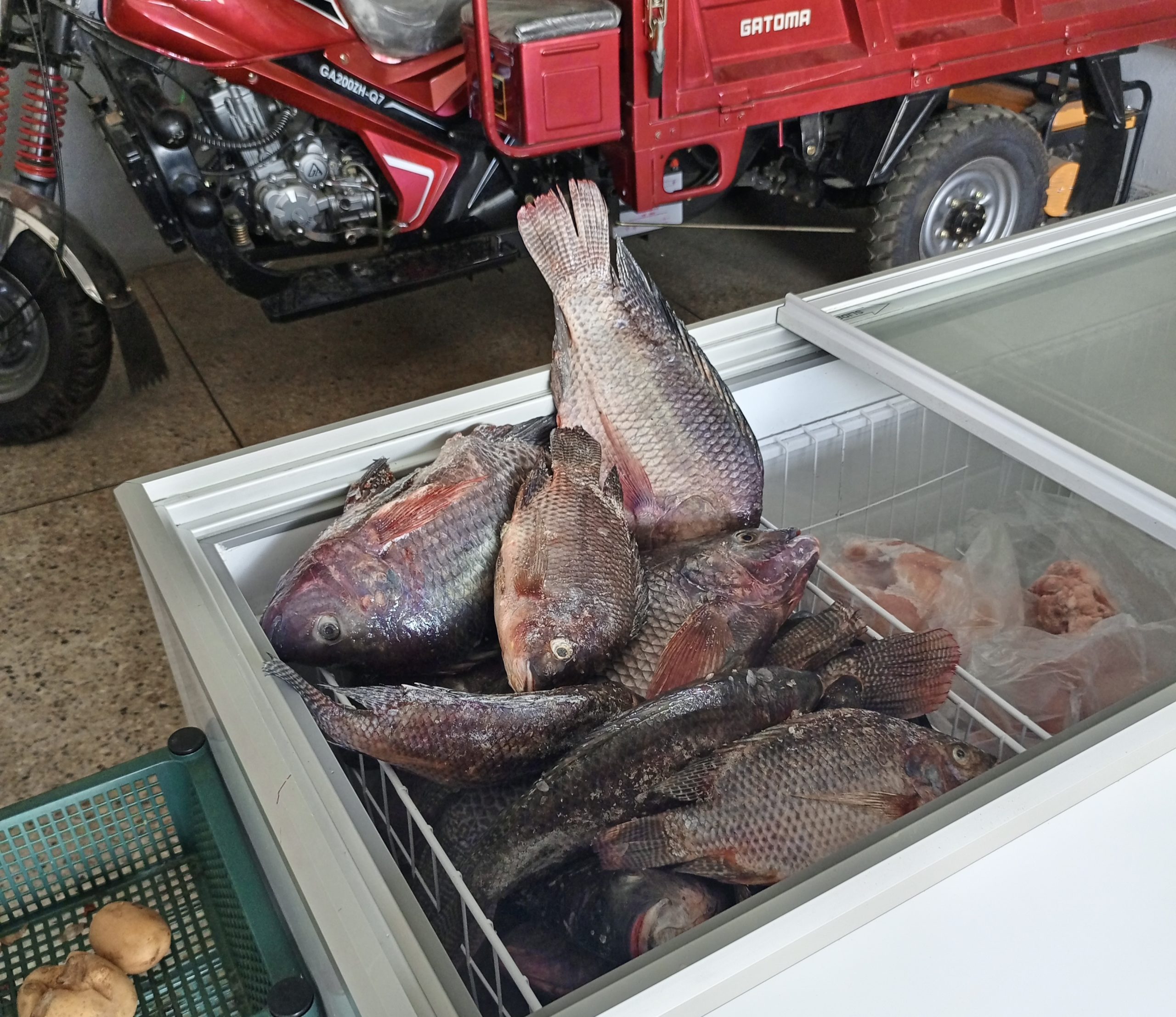
By offering fair, predictable pricing and accessible payment terms, Lake Farms enables fishers and traders, particularly women in informal markets, to improve their earnings and operate with greater stability. Retail shops also access the solar powered refrigerators and freezers to keep their inventory fresh. They see increases in income driven by reduced spoilage and increased sales from new products that require cooling e.g. soft drinks.
The result is a value chain that supports local livelihoods, improves food security, and reduces environmental degradation. The emphasis is not only on production, but also on building market linkages that can create a fair and efficient market system that works for the microenterprises within it.
Restoring pollination systems and increasing crop yields – Pollen Patrollers
In Kenya, pollination is central to agricultural productivity. Yet climate shifts, pesticide use, and habitat loss have contributed to declining bee populations. The result is lower yields and more unpredictable harvests for smallholder farmers.
Pollen Patrollers addresses this through a platform that, on one hand, helps beekeepers keep healthier colonies and, on the other hand, brings precision pollination to coffee, macadamia & avocado farmers. The company provides IoT-enabled hive monitoring and a network of trained apiarists, allowing beekeepers to track colony health and reduce losses. The apiarists respond to alerts from the IoT device and field troubleshooting. The company also supports first-time beekeepers to establish their own hives and gradually build skills, creating new income streams alongside improved agricultural output.
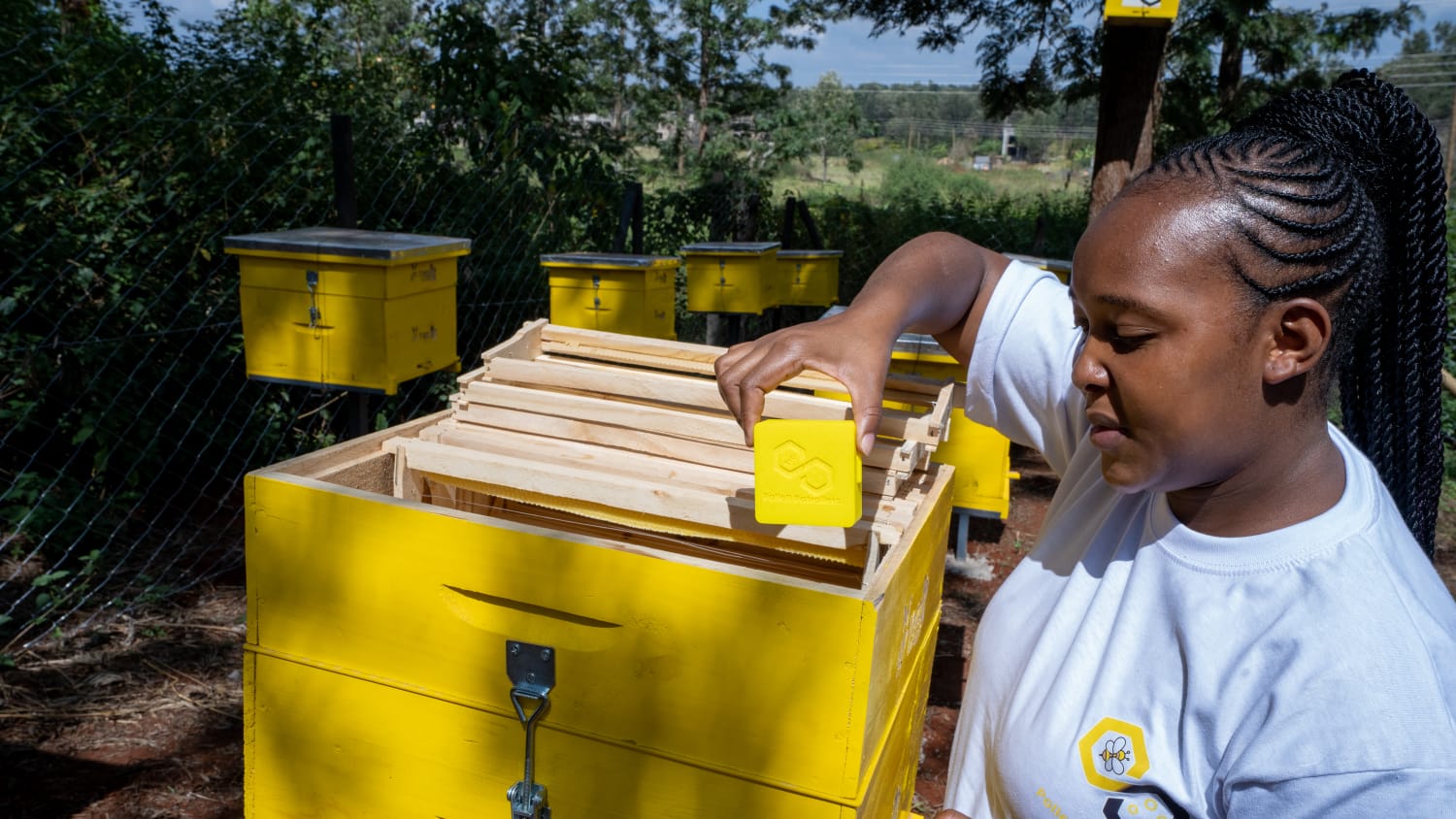
For farmers who don’t own or manage beehives, Pollen Patrollers provide pollination as a service by placing hives on their farms during flowering periods. These hives are strategically positioned to enhance pollination, resulting in higher, more consistent yields. For farmers, this means more reliable income from key cash crops.
For beekeepers, it means greater productivity and new revenue streams from pollination services. And for ecosystems, it supports the regeneration of a keystone species essential to biodiversity.
Pollen Patrollers demonstrates how restoring natural systems can simultaneously increase agricultural productivity and support microenterprises.
Why ClimaFii is leaning in
At ClimaFii, we back climate solutions that improve incomes and resilience for the microentrepreneurs who keep local economies running. Both Lake Farms and Pollen Patrollers demonstrate how natural resource systems, when managed more sustainably, can create shared economic value across entire communities.
Lake Farms stands out for its vertically integrated approach to sustainable aquaculture and market linkages. By combining responsible fish production with cold storage, processing, and distribution, the company reduces pressure on overfished lakes while improving incomes for small-scale fishers and traders. This model ensures value is retained locally, from production to market, and improves food security for Zambian households that depend on fish as a primary source of protein.
Pollen Patrollers, meanwhile, is building a new market infrastructure around beekeeping and pollination, one of agriculture’s most essential yet undervalued inputs. By linking farmers with managed beehives supported by IoT monitoring, the company is addressing declining pollinator populations, boosting crop yields and creating new income streams for beekeepers. Their platform approach is particularly powerful because it creates productivity gains on both sides of the market – improved yields for farmers and higher, more stable earnings for beekeepers.
Both ventures show how regenerative natural resource solutions can deliver climate impact and income growth simultaneously, creating pathways to sustainable, locally rooted economic development.
Tackling the financing challenge
As with many nature-based and agriculture-linked sectors, the biggest constraints are affordable, appropriate financing and structured market access. For Lake Farms, the ability to scale sustainable aquaculture depends on financing fish-cage expansion and distribution infrastructure without placing undue pressure on cash flow for small-scale fishers. ClimaFii is supporting the company in strengthening its financial model, articulating investment needs clearly, and engaging aligned investors who understand aquaculture’s growth cycles and working capital dynamics. The program is also designing a flexible financing backed by Zambian MFI’s to increase the adoption of clean energy products. These initiatives are helping Lake Farms move from isolated deployments to a repeatable expansion model.
For Pollen Patrollers, financing challenges manifest in different ways. Beekeepers and smallholder farmers often struggle to invest upfront in hive equipment or pollination services, despite the strong unit economics. ClimaFii is working with the team to refine flexible pricing structures, including lease-to-own and honey-offtake arrangements, that reduce adoption friction while ensuring revenue predictability. These financing mechanisms are paired with stronger farmer and beekeeper pipeline management, ensuring that capital is deployed where it is most likely to be repaid and to have the greatest impact on crop productivity.
In both cases, the goal is the same: build market and financing systems that allow nature-based productivity gains to scale, rather than remain confined to pilots.
Beyond capital: Building for scale
Scaling natural resource ventures requires more than capital; it requires systems that ensure consistency, quality, and trust. With Lake Farms, ClimaFii has worked alongside the team to strengthen supplier relationships for solar-powered cold storage solutions, improve operational clarity across the value chain, and position the business with a growth narrative that resonates with commercial and catalytic funders.
With Pollen Patrollers, our support has focused on building a stronger commercial engine: refining the value proposition, establishing clear partner and distributor pathways, improving sales messaging and CRM discipline, and strengthening the pitch and narrative for funders. These systems serve a critical purpose; they help the company transition from founder-led selling to scalable market reach and predictable adoption curves.
A regenerative future rooted in local economies
The path to resilient food systems and thriving rural economies is already being built by fishers, farmers, beekeepers, and the entrepreneurs who empower them. Lake Farms and Pollen Patrollers are showing what becomes possible when natural systems are restored rather than depleted, and when local value creation is prioritized over extraction. Their work demonstrates that regenerative agriculture is not only environmentally necessary but also economically transformative, improving incomes, strengthening markets, and ensuring food security for the communities that need it most.
At ClimaFii, we are proud to stand alongside these builders. And we invite partners, funders, and co-investors who share this vision to join us in growing a future where livelihoods and ecosystems thrive together.
![[Press Release] Shell Foundation and Accion announce new program to finance and scale emission-reducing technologies in emerging markets](https://bfaglobal.com/wp-content/uploads/2025/01/solar-panels-field-against-clear-sky-450x250.jpg)