Why we invested in electric mobility: Unlocking opportunity for Africa’s microenterprises
Transport is one of the biggest levers for productivity in Africa. From taxi drivers navigating Dakar’s congested streets to dairy farmers transporting milk to cooling hubs in rural Kenya, mobility is at the heart of daily livelihoods. Yet high fuel prices, poor-quality vehicles, and volatile maintenance costs place a heavy burden on microenterprises. These constraints reduce take-home earnings, limit access to customers, and weaken resilience in the face of climate and economic pressures.
Electric mobility offers a sustainable alternative. In many African markets, Electric Vehicles (EVs) can deliver lifetime cost savings of 30-60% compared to internal combustion vehicles, because of lower energy and maintenance expenses. For microenterprises that depend on high utilization of transport, these savings translate into higher productivity, more stable income, and reduced vulnerability to fuel price shocks. By cutting running costs by up to 65%, enabling asset ownership, and opening doors to new financial services, EVs are more than just cleaner vehicles; they are productivity assets that can double or even triple incomes.
The value of EVs is particularly powerful when deployed in high-utilization ecosystems such as taxis, deliveries, agriculture supply chains, and freight fleets. For ClimaFii Alliance (a five-year initiative accelerating climate innovation and inclusive finance for microenterprises across Sub-Saharan Africa and South Asia), this category is strategic because it delivers on all three of our priorities: climate impact, financial inclusion, and job creation. That’s why ClimaFii has invested in two companies driving change through e-mobility – Mbay Mobility in Senegal and Songa Mobility in Kenya. Although they operate in distinct markets, both are demonstrating how clean transport can transform livelihoods in urban centers and rural agricultural communities.
Powering microenterprises through electric mobility
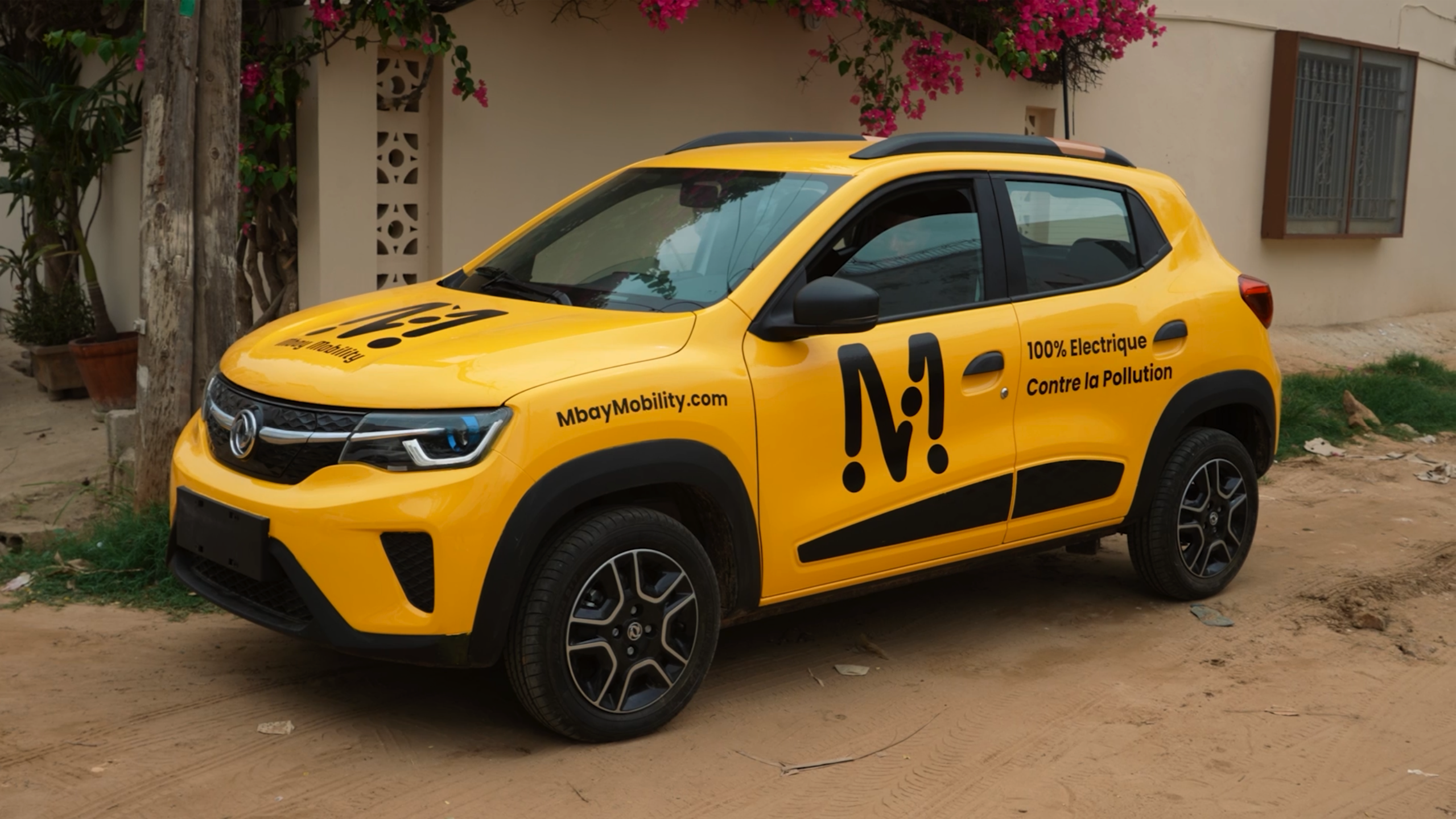
In Senegal, Mbay Mobility is transforming the experience of urban taxi drivers by offering a lease-to-own model for EVs that integrates financing, payments, and fleet support. Drivers access high-quality electric cars through affordable weekly payments and begin to build digital credit histories in the process. In dense cities like Dakar, the shift to electric taxis also reduces local air pollution, delivering public health benefits for drivers and passengers who are most exposed to vehicle emissions. At a national level, replacing imported fuel with domestically generated electricity helps reduce reliance on expensive fossil fuel imports, strengthening energy sovereignty and easing pressure on public finances over time.
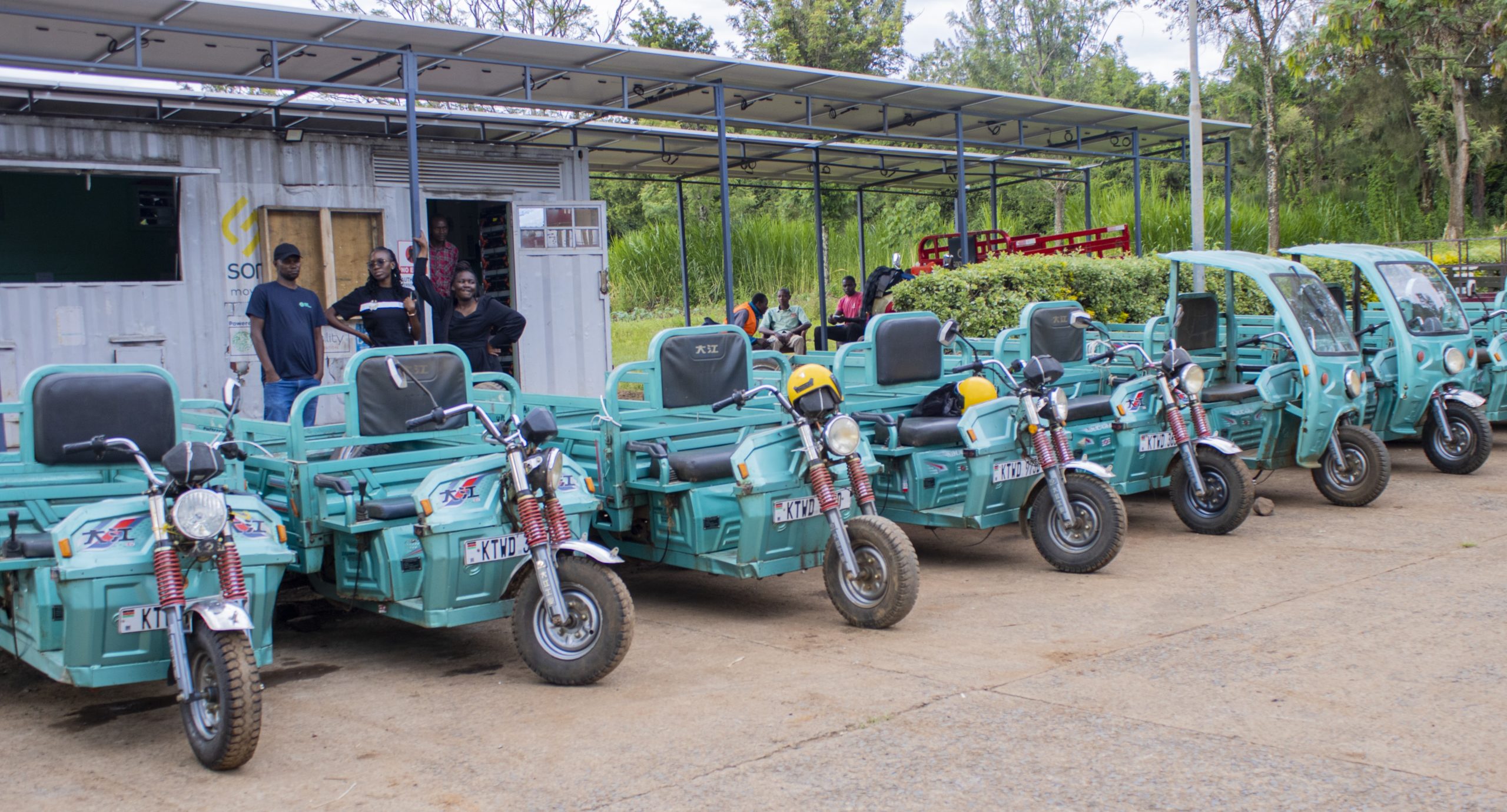
In Kenya, Songa Mobility is bringing electric transport to Kenya’s agricultural communities through Agri-E-Mobility Hubs that combine e-trikes, solar charging, battery swapping stations, and cold chain services. These hubs enable smallholder farmers to transport produce quickly, preserve quality, and reduce post-harvest losses. Drivers earn higher and reliable income, while farmers receive higher returns and more stable livelihoods. By linking clean transport with productive energy use, Songa Mobility is creating efficiency across Kenya’s rural economy, where agriculture employs over one third of the workforce.
Together, Mbay Mobility and Songa Mobility embody the potential of electric mobility to empower microenterprises, cut emissions, and generate new economic pathways in both urban and rural Africa.
Why ClimaFii is leaning in
At ClimaFii, our investment thesis is simple: climate solutions scale faster when they strengthen microenterprise productivity. Both Mbay Mobility and Songa Mobility are proof points of this thesis in action. Mbay Mobility stands out for its fintech-led model that bundles vehicle finance, payments, and after-sales support into a single package. This de-risks lending for an underserved customer base and creates a pathway for drivers to build credit histories. Songa Mobility is building a platform franchise model in which local cooperatives and producer groups operate mobility hubs under license arrangements, supported by Songa Mobility’s technology and financing tools, and is introducing asset finance models to enable rural drivers to own their EVs.
Both companies demonstrate replicable, inclusive, and commercially credible models that can scale across markets. Both models are inclusive, replicable, and investable, demonstrating how clean technology can unlock growth, not just for companies, but for the microenterprises that form the backbone of Africa’s economies.
Tackling the financing challenge
While EVs promise long-term savings, high upfront costs remain the biggest barrier to adoption. Unlocking affordable asset finance is critical to bringing more vehicles onto the road. In Senegal, Mbay Mobility has demonstrated strong demand and repayment performance among drivers. ClimaFii is helping the company develop credit dashboards and blended finance frameworks that show repayment reliability and attract lenders. This work supports Mbay Mobility’s transition from equity-financed pilots to scalable debt facilities that can put more EVs into the hands of working drivers.
In Kenya, Songa Mobility is establishing a dedicated asset finance program to support both hub operators and drivers. ClimaFii has supported the refinement of this model, ensuring transparent repayment tracking and risk-sharing mechanisms that appeal to institutional investors, enabling more e-trikes and cold chain units to reach rural communities.
Across both companies, ClimaFii’s goal is to build the financial infrastructure that makes clean transport accessible for microentrepreneurs and, in doing so, unlock more commercial and catalytic capital for this emerging sector.
Beyond capital: Building for scale
ClimaFii’s support extends beyond investment to focused venture-building sprints that strengthen operations and commercial pathways.
With Mbay Mobility, this includes developing a Vehicle Management System that automates payments, integrates telematics, and generates performance data that improves lender confidence. These tools support high-quality fleet management as the company grows.
With Songa Mobility, our work focused on refining standard operating procedures, partner onboarding frameworks and financial tracking tools. We have also contributed to the evolution of Songa Mobility’s credit management platform, which connects farmers, drivers, and financiers through one interface with built in risk mitigation.
These venture-building efforts are at the heart of ClimaFii’s model: combining capital, technical expertise, and strategic support to help high-potential ventures move from pilots to sustainable scale.
A clean, Inclusive future for mobility
Electric mobility is more than a technology transition. It is a pathway to stronger earnings, more resilient livelihoods, and lower emissions across African economies. As microenterprises gain access to cleaner and more affordable transport, the broader system benefits through reduced congestion costs, improved supply chain efficiency, and better climate outcomes. But achieving this transformation will take collaboration across investors, financiers, and innovators. If you’re a funder thinking about where climate and inclusion intersect, a financial institution looking to serve overlooked markets, or a partner building infrastructure for clean transport, let’s talk.
![[Press Release] Shell Foundation and Accion announce new program to finance and scale emission-reducing technologies in emerging markets](https://bfaglobal.com/wp-content/uploads/2025/01/solar-panels-field-against-clear-sky-450x250.jpg)
![[Press Release] Shell Foundation and Accion open applications for ClimaFii Alliance second cohort](https://bfaglobal.com/wp-content/uploads/2025/12/Songa-Trikes-450x250.png)