Sustainable cooling: How ClimaFii is closing Africa’s cold chain gap for microenterprises
This is the second post in ClimaFii’s series walking through our 2026 cohort sector by sector. The first looked at one value chain end to end: fisheries, from the point of catch to the point of sale, and the two portfolio companies working to bring clean, affordable cold chain infrastructure into it. This blog widens the lens to sustainable cooling more broadly, across produce, retail, and general food microenterprises.
ClimaFii Alliance is a venture support program, delivered in Sub-Saharan Africa by BFA Global and Accion. We look for sectors where clean energy adoption and microenterprise income growth are the same bet rather than two separate goals, and sustainable cooling is one of the clearest examples: a trader either has a way to keep produce cold, or they lose the sale. There’s very little in between. We look at that sector through three companies in our portfolio: ClimaVault, Koolboks, and Manamuz Electric – three different approaches to the same underlying problem.
The sector, and why it matters for microenterprises
Refrigeration access across Sub-Saharan Africa remains extremely low. Only around 4% of rural households own a refrigerator, and total population access (including intermittent or shared access) remains far lower than in other developing regions. Without that infrastructure, the consequence in agriculture is substantial. The FAO estimates that Africa loses 30–50% of its agricultural produce after harvest. Shell Foundation’s own research puts the annual cost of post-harvest loss above $21 billion across India, Nigeria, and Kenya, and estimates that solving it represents a $1 trillion global opportunity, with the potential to raise incomes for more than 400 million people by 15%. In Nigeria specifically, roughly half of fresh produce is lost after harvest, and the country carries an estimated 13-million-metric-tonne supply gap for key vegetables.
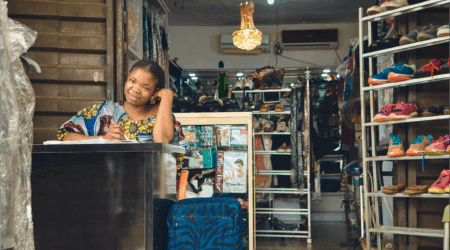
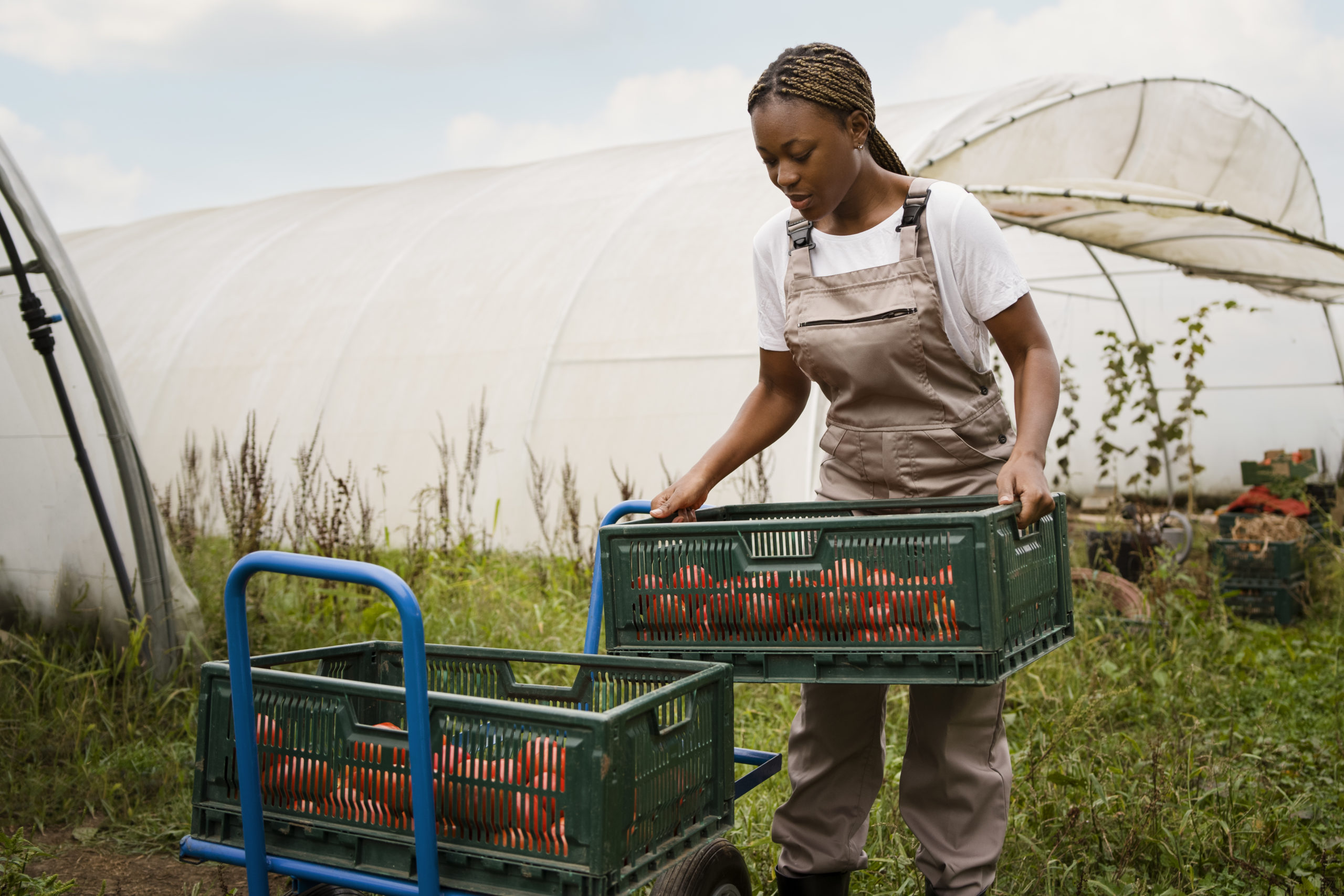
The people absorbing that loss are overwhelmingly microenterprises – market vendors, fishmongers, small aggregators, frozen food sellers, food vendors, neighborhood shopkeepers, and smallholder farmers who’ve stepped into trading and light agribusiness. These are businesses with thin margins and almost no ability to smooth out risk. A trader without cold storage has to sell fast and cheap, or lose the inventory entirely, a dynamic that caps how much they can grow, what products they can stock, and how resilient they are to a bad week.
Where cooling infrastructure does reach these businesses, the mechanism behind the impact is straightforward – traders can hold inventory longer, time their sales to better prices, and move into higher-margin perishable categories they couldn’t touch before.
Portfolio spotlight
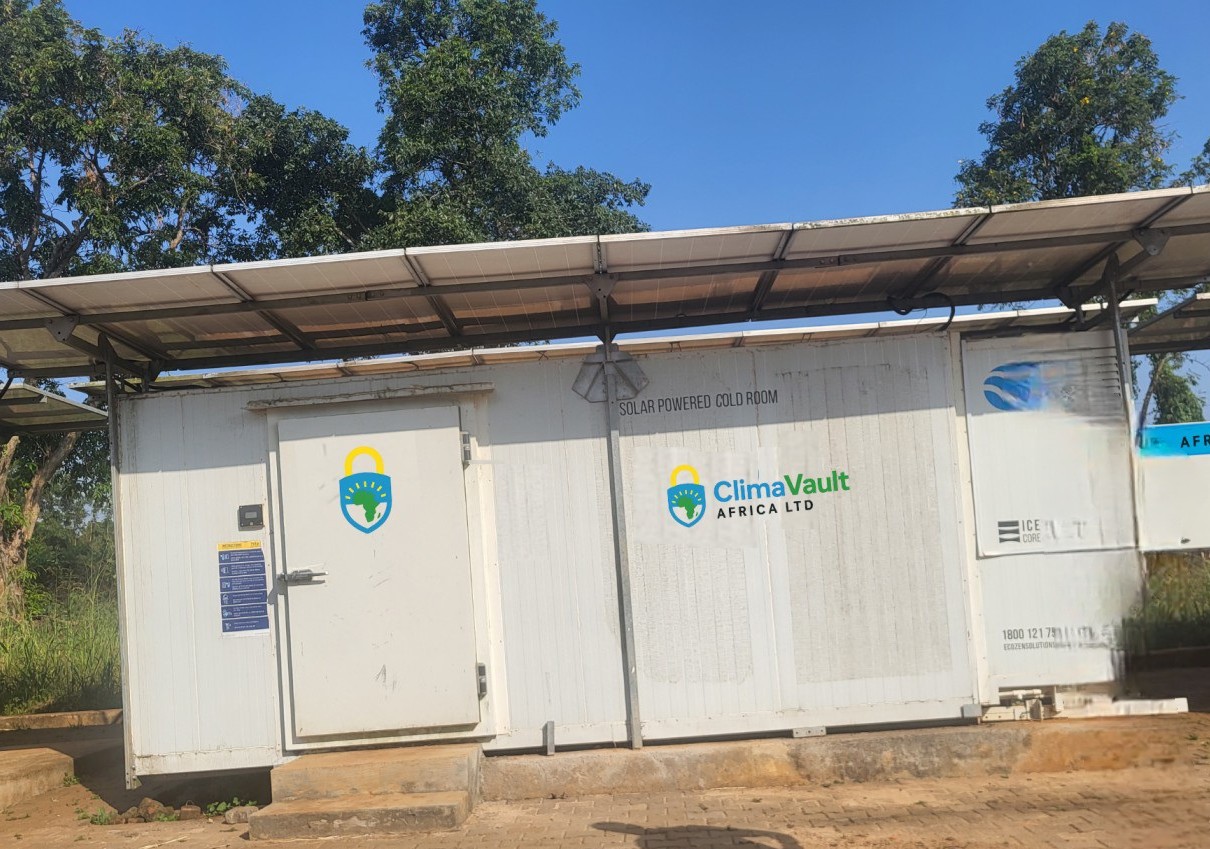
ClimaVault Africa, a Ugandan-based company, deploys relocatable, solar-powered, IoT-enabled mobile cold storage units that extend produce shelf life from about two days to as many as 21 days. Its complementary product, MunaFresh, is a plant-based edible coating that extends shelf life by up to 15 days without refrigeration at all, which is useful for traders who aren’t immediately near a cold room. ClimaVault serves market aggregators, fishmongers, and cooperative trading units across Uganda, and its usage-based pricing model means traders pay only for the storage days they use, with no upfront cost or credit risk on the customer side.
Koolboks, Koolboks is a Nigeria-based clean energy company providing solar-powered, IoT-enabled cooling solutions to businesses across emerging markets. Its product range includes freezers, chillers, ice makers, and the Powerfoot Pedestal, a retrofit solution that converts existing refrigeration appliances into solar-powered units. To make reliable cooling more accessible, Koolboks also provides financing through KoolBuy, its Buy-Now-Pay-Later (BNPL) platform. KoolBuy has expanded beyond Koolboks products to finance third-party cooling equipment, helping small businesses access essential appliances without the burden of paying the full cost upfront. Koolboks serves a wide range of small and growing businesses, including food and beverage retailers, market traders, restaurants, and bars, with women representing a significant share of its customer base. By combining clean energy, smart cooling technology, and accessible financing, Koolboks enables businesses to access reliable refrigeration, reduce dependence on conventional electricity, protect perishable goods, and strengthen their day-to-day operations.
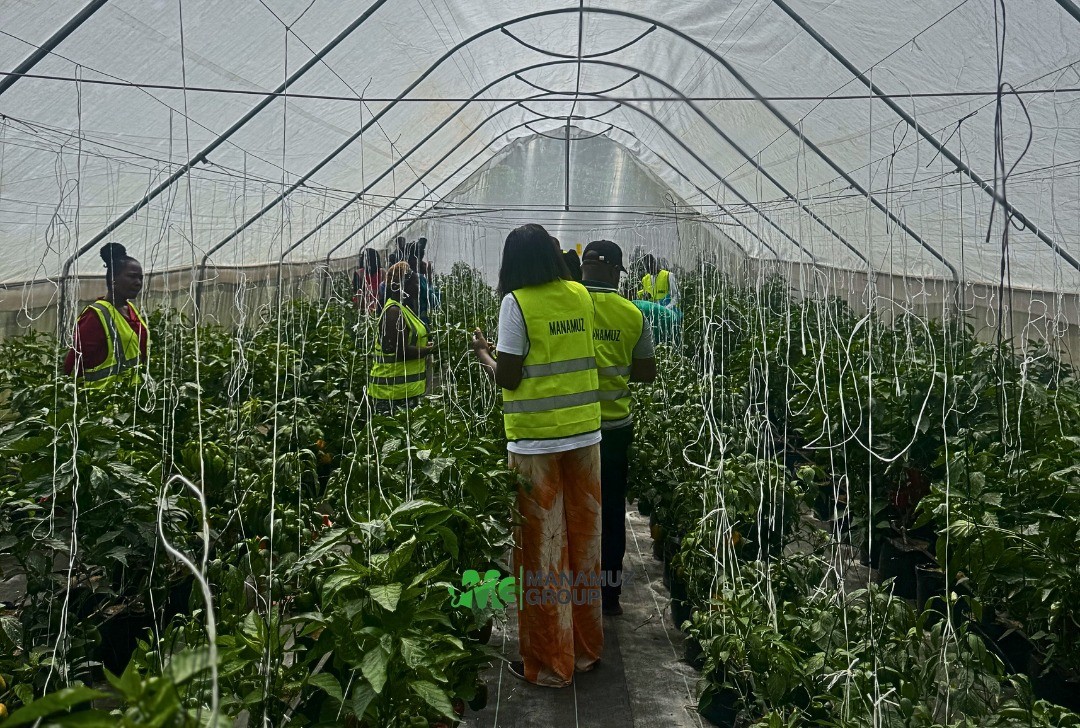
Manamuz Electric, Manamuz is a Nigerian company building the Coldbox Store ecosystem: off-grid farming clusters anchored by solar-irrigated greenhouses, integrated into a strategically distributed network of solar-powered cold rooms with an online booking platform. The greenhouse clusters stabilize the supply chain and support nearby open-field farms through shared infrastructure and services, while the cold rooms, branded Coldbox Store, reduce post-harvest losses and keep produce market-ready. The entire ecosystem is managed through SCOS, Manamuz’s digital Supply Chain Operating System. Manamuz serves small-scale farmers transitioning into agribusiness alongside traders and aggregators in Nigeria’s vegetable value chains, offering both direct ownership and lease-to-own access to its infrastructure.
Together, these three companies show what a functioning cold chain for microenterprises can look like when it’s built from the ground up for the customers who need it most: usage-based pricing instead of unaffordable ownership, financing embedded in the hardware itself, and infrastructure designed to travel to where the produce is, rather than asking traders to come to it.
What makes a cooling business model work
Cold storage and refrigeration are capital-intensive hardware serving customers who often can’t pay for them upfront, so the business model has to solve for affordability as deliberately as it solves for engineering. The three companies above take visibly different approaches, but look closely and they’re solving that problem in roughly the same sequence, and that sequence is really the sector-level lesson.
It starts with pricing: Usage-based fees – per crate, per kilogram, or per day – turn a large, lumpy capital cost into a small recurring expense that tracks the customer’s daily cash flow. ClimaVault charges traders only for the storage days they use, rather than asking them to buy a cold room outright.
Where ownership makes more sense – appliances a business will run every day for years – embedded PAYGo and lease-to-own financing extend that same logic a step further. Koolboks’s locking technology holds a unit until each installment clears, letting an owner build toward ownership without a formal loan or collateral most microenterprises can’t provide, and the company has begun licensing that same mechanism to other appliance brands so it can finance cold-chain adoption beyond its own hardware line.
Underneath both approaches sits a layer of partnerships and infrastructure no individual trader could assemble alone – cooperatives, aggregation points, and digital platforms like Manamuz’s, which coordinates onboarding, storage, and distribution across a network of growers and traders rather than leaving each one to solve logistics on their own. Increasingly, the usage and repayment data these systems generate is starting to double as a credit history for customers who’ve never had one, turning the infrastructure itself into the foundation for future financial services.
Where we see opportunity and where the road gets harder
The market opportunity
Africa’s refrigerator market was valued at $7.84 billion in 2024 and is projected to grow at 6.98% annually to $11.75 billion by 2030; longer-range forecasts put unit demand near 19 million by 2035. (Statista Market Forecast). Layer in the broader productive-use cold-chain opportunity – cooling for aggregation, distribution, and vegetable value chains – and the addressable market runs into billions of US dollars, most of it still unserved. This looks less like a mature category being disrupted and more like an emerging one still being built, which is exactly the stage where the right business model matters more than early scale.
The barriers holding the sector back
- Cost – A solar-powered cold room or freezer can run into the thousands of dollars to install, well beyond what most microenterprises can pay upfront, even though the problem it solves – a crate of tomatoes going bad in two days – might only cost a few dollars a day to prevent.
- Financing – Formal lenders still largely underwrite against collateral and credit history most informal traders don’t have, which is why the financing has to be built into the hardware itself. Outside of what companies like Koolboks are building in-house, that kind of embedded product is still rare.
- Logistics – Low-density markets make distribution slow and expensive to begin with, and even purpose-built solutions face their own friction: a mobile cold room, for instance, can take real time and coordination to relocate to wherever demand has shifted.
- Awareness – Solar-powered, pay-as-you-go cooling is still new enough that many traders simply haven’t seen it in action, so they don’t have a clear picture of what it could do for their margins until someone shows them firsthand. As awareness grows, utilization rates rise with it, which in turn drives costs down and strengthens the unit economics of the cold rooms.
Where the unlock is coming from
Two things stand out as likely to accelerate the whole sector, not just one company’s growth.
The first is treating financing as its own product, separate from the hardware. Koolboks originally built its PAYGo locking technology to finance its own freezers, then began licensing that same technology to other appliance brands through Koolbuy. That shift matters because it means the financing infrastructure can scale independently of any one company’s manufacturing capacity. Any brand’s fridge can become financeable, which grows the addressable market for the whole sector rather than just for Koolboks’ own unit sales.
The second is the data these systems generate almost as a byproduct. Every cold room booking, every PAYGo installment, every IoT temperature reading is a record of how a business actually behaves. A paper trail most microenterprises have never had. Platforms like Manamuz’s digital supply chain system already capture this data to manage logistics day to day; the unlock is using that same record to help microenterprises qualify for financing they couldn’t access on the strength of a bank statement alone.
What it takes to scale in this sector
- Capital intensity. Growth here depends on deploying real capital into physical assets, so pacing expansion to match actual utilization matters more in this sector than in lighter-asset businesses. That capital also has to be the right kind: scalable, affordable capex financing -ideally in local currency from local lenders – is still hard to access at the pace this sector needs, and guarantee mechanisms that help de-risk local lending are one of the more promising ways to unlock it.
- Revenue diversification. Companies that build toward multiple complementary revenue lines, rather than one hardware or service line, tend to be more resilient as they scale.
- Credit discipline. Any company embedding financing into its hardware needs strong underwriting and repayment infrastructure from early on. This becomes as important a core competency as the technology itself as a financing book grows.
- Embeddedness in growing value chains. Companies like Manamuz and ClimaVault benefit from growing alongside the agricultural value chains they sit inside, plugging into an expanding market rather than trying to build one from scratch.
- Market linkages. None of this works if the microenterprises using cold chain infrastructure can’t reliably sell what they store. Offtake arrangements that connect traders to a captured customer base matter as much to scaling as the cold storage technology itself.
Why we backed these business models
ClimaFii’s mandate is specific – post-harvest and productive-use energy solutions that involve genuine transformation, preservation, or processing. We look for companies with a working product already reaching microenterprises, a credible path to reaching thousands at scale, and a real relationship existing or in progress with financial service providers who can help microenterprises afford the technology.
All three companies here clear that bar because the climate case and the productivity case are the same case, not two separate ones. Extending a crate of tomatoes’ shelf life from two days to three weeks isn’t just an emissions story about reduced food waste and lower reliance on diesel-powered cooling, it’s directly why a trader’s income goes up. That overlap is what gives us confidence these models can scale: the incentive to adopt the technology and the incentive to reduce emissions point in the same direction, which means growth doesn’t require subsidizing behavior against the grain of what the customer already wants.
Our confidence isn’t just about the mission fit, it’s about what we look for as evidence a model is ready to scale: proven unit economics on the assets already deployed, a repeatable customer acquisition and financing motion, and a management team that understands both the hardware and the financial services layer well enough to manage the risk of growing both at once.