Women's Economic Empowerment


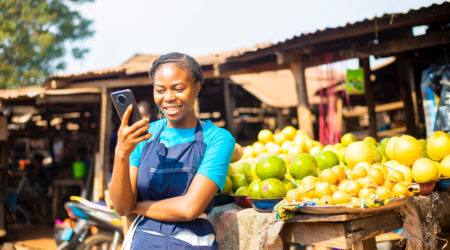
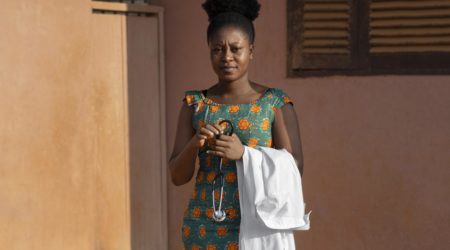
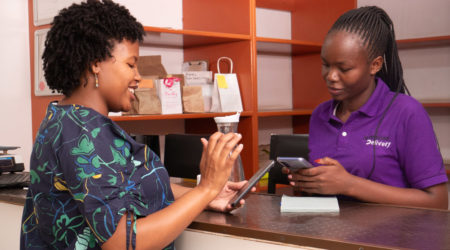
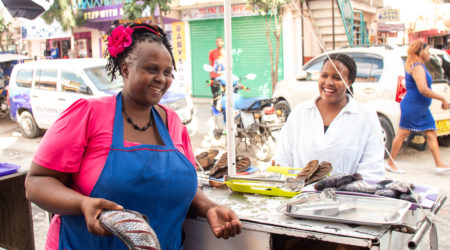
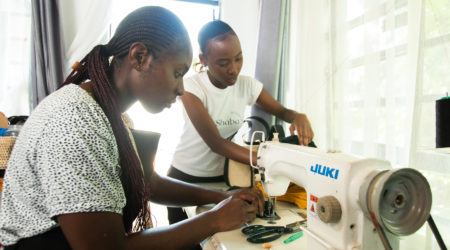
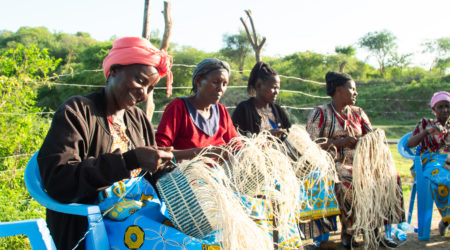
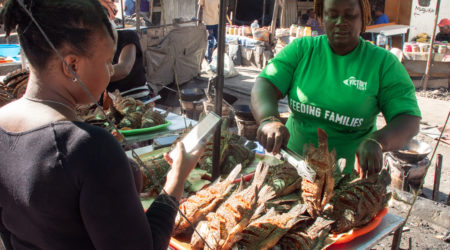
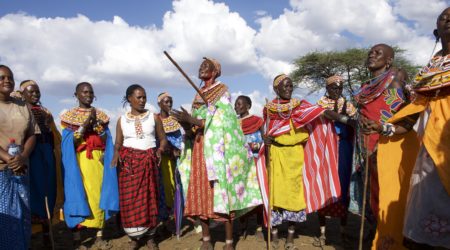
Progress has been made toward gender equality, but women still face numerous challenges in achieving equal participation in the economy. Globally, women are significantly underrepresented in formal employment. In sub-Saharan Africa, this challenge is even more pronounced. While women’s labor force participation rate is lower than men’s (62% vs. 74%), a significant proportion of women (63%) are engaged in informal work compared to men (59%). Despite the vital role the informal sector plays in many women’s livelihoods, they face numerous barriers, including limited access to capital, tools, training, and markets. With the right support, these women can overcome these challenges, improve their livelihoods, and contribute significantly to economic growth and social development.

In response, BFA Global, commissioned by the Bill & Melinda Gates Foundation, conducted a rapid assessment of potential partners working to enhance women’s economic empowerment in Kenya. BFA Global experts will evaluate the impact and scalability potential of these partners in increasing the incomes of low-income women working in livelihoods to better themselves in Kenya.

BFA Global engaged with eleven organizations across different sectors to understand their pathways for enhancing women’s livelihoods through job creation or improvement or through entrepreneurship initiatives. Following the initial nano projects (8-week test initiatives), 4-6 of these organizations will be selected for a  9-month pilot phase. During this period, BFA Global will work closely with the selected organizations to assess the effectiveness of their solutions and provide technical assistance for scaling up their initiatives.

Project Nanos

Featured Insights

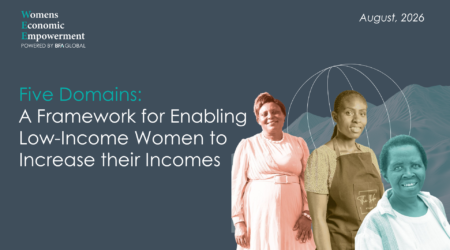
Five Domains: A Framework for Enabling Low-Income Women to Increase Their Incomes
Livelihoods and Microenterprise |

Five Domains: A Framework for Enabling Low-Income Women to Increase Their Incomes

What does it really take to enable low-income women entrepreneurs to increase their incomes and sustain those gains over...

By Phoebe Kiboi
When do women microentrepreneurs say ‘yes’ to formal credit?
Livelihoods and Microenterprise |

When do women microentrepreneurs say ‘yes’ to formal credit?

Women microenterprises across Africa are often informal and resource-constrained, especially due to limited access to formal credit (World Bank)....

By Ankita Singh
The retention paradox: Why last-mile agents stay, even when revenues are meager

The retention paradox: Why last-mile agents stay, even when revenues are meager

Nduku, a pregnant woman in rural Makueni, Kenya, faces long, difficult journeys to reach distant health facilities and often...

By Nathalie Ngatia
[Press Release] New Insights from BFA Global Reveal What It Really Takes to Increase Women’s Incomes

[Press Release] New Insights from BFA Global Reveal What It Really Takes to Increase Women’s Incomes

Nairobi, Kenya – BFA Global today released new findings from its Women’s Economic Empowerment (WEE) Opportunity Leads Umbrella Program,...

By Grace Onyuka
From side hustles to digital hustle
Livelihoods and Microenterprise |

From side hustles to digital hustle

“It never occurred to me I could sell on my phone,” one woman shared. “I thought social media was...

By Anne Gachoka
What it really takes to increase women’s incomes: Introducing the five domains
Livelihoods and Microenterprise |

What it really takes to increase women’s incomes: Introducing the five domains

Over the past two years, BFA Global’s Women’s Economic Empowerment (WEE) team has partnered with 11 enterprises across Kenya...

By Phoebe Kiboi
What it takes to sell online: Three lessons on digital market access for Kenyan handicraft makers
Livelihoods and Microenterprise |

What it takes to sell online: Three lessons on digital market access for Kenyan handicraft makers

Kenya has a vibrant handicraft sector, from beadwork and woodcarvings to soapstone and handwoven baskets and textiles. These products...

By Priyanka Kapoor
Entrepreneurship training that works for low-income women: Early lessons from Kenya
Livelihoods and Microenterprise |

Entrepreneurship training that works for low-income women: Early lessons from Kenya

Entrepreneurship training on its own rarely shifts women’s economic outcomes. For many low-income women, the challenge is not only...

By Maha Khan
From incentives to impact: 5 ways Victory Farms is powering livelihoods through loyalty and skill building
Livelihoods and Microenterprise |

From incentives to impact: 5 ways Victory Farms is powering livelihoods through loyalty and skill building

In Kenya’s fast-growing fish industry, thousands of women sellers, known as Mama Samaki, sit at the heart of last-mile...

By Priyanka Kapoor
A Home in Jazza Centre: Rethinking Domestic Work with Dignity and Scale
Livelihoods and Microenterprise |

A Home in Jazza Centre: Rethinking Domestic Work with Dignity and Scale

In Nairobi, Kenya, the story of domestic work is often one of invisibility, long hours, low pay, and few...

By Priyanka Kapoor
Strengthening livelihoods: The Milk-to-Market program
Livelihoods and Microenterprise |

Strengthening livelihoods: The Milk-to-Market program

In Samburu County, Kenya, an innovative partnership is transforming both wildlife conservation and women’s livelihoods through an unexpected connection:...

By Maha Khan
The business of low-income childcare in Kenya
Livelihoods and Microenterprise |

The business of low-income childcare in Kenya

In Kenya’s rapidly urbanizing centers, childcare presents a critical challenge for working parents, particularly those in low-income communities. While...

By Priyanka Kapoor