Entrepreneurship training that works for low-income women: Early lessons from Kenya
Entrepreneurship training on its own rarely shifts women’s economic outcomes. For many low-income women, the challenge is not only a lack of business skills, but also limited access to markets, capital, networks, time, and confidence. Training that focuses narrowly on technical knowledge often fails to translate into higher incomes.
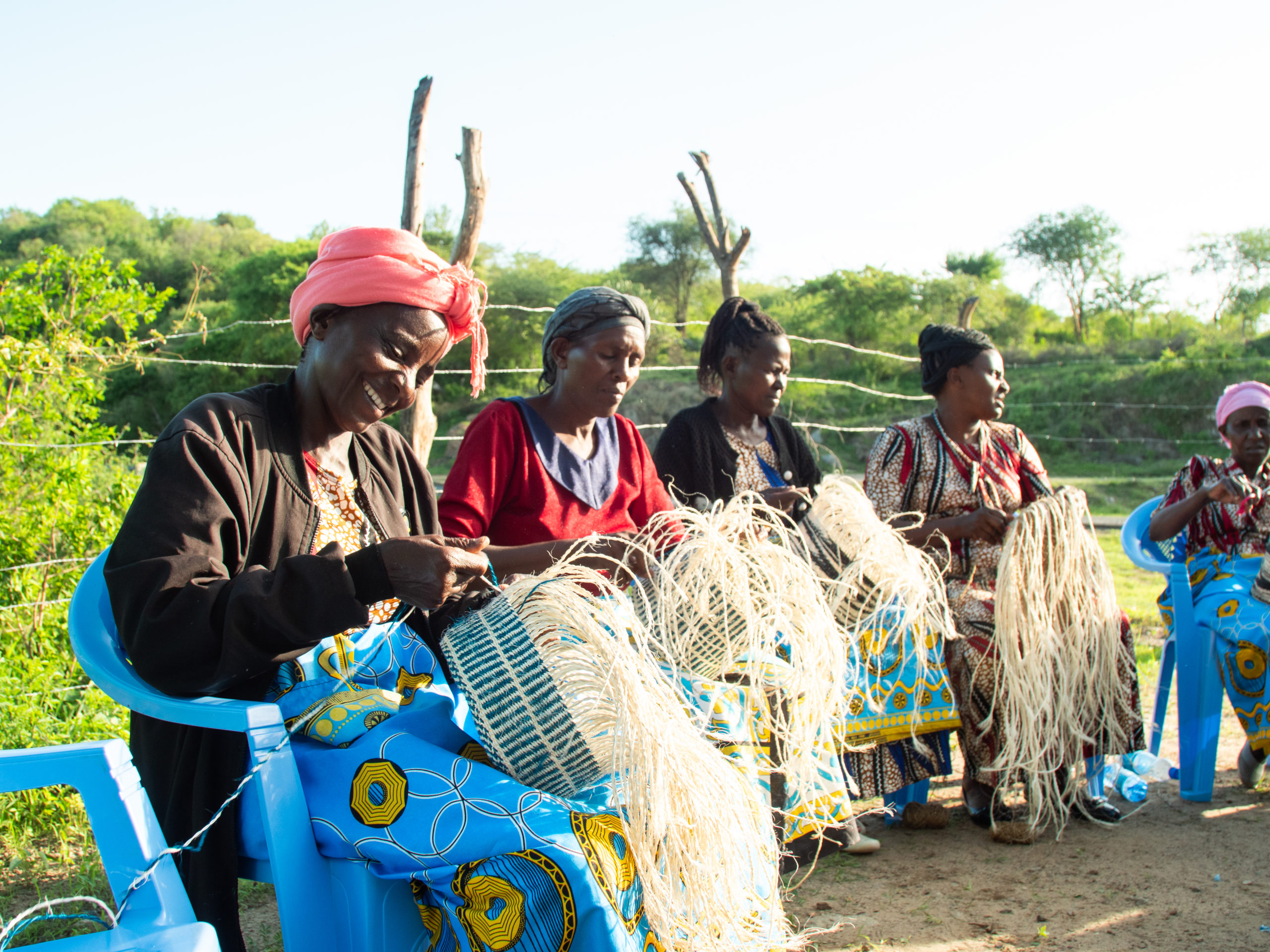
Through the Women Economic Empowerment Umbrella Fund project, BFA Global partnered with 5 organizations: Victory Farms, Jazza Center, InMotion, Healthy Entrepreneurs, and Kuza One to test more holistic approaches across sectors. Working with fish vendors, domestic workers, digital entrepreneurs, community health workers, and agripreneurs, we examined what enables training to convert learning into income.
Our findings show that results are strongest when four elements are combined: market-relevant skills tied to real earning opportunities; practical and accessible delivery models; intentional confidence and entrepreneurial identity building; and clear pathways to market access, including jobs, working capital, supplier relationships, and distribution channels.
When these components were bundled, women not only improved business practices but also increased profits, strengthened financial management, and expanded their growth ambitions.
This is the first blog in a five-part series on Building Inclusive Economies for Women.
DOWNLOAD
Building inclusive economies for women
Early lessons from Kenya